Timber frame society
Preserving the Craft Before It’s Lost
Built without Nails, Bound by history
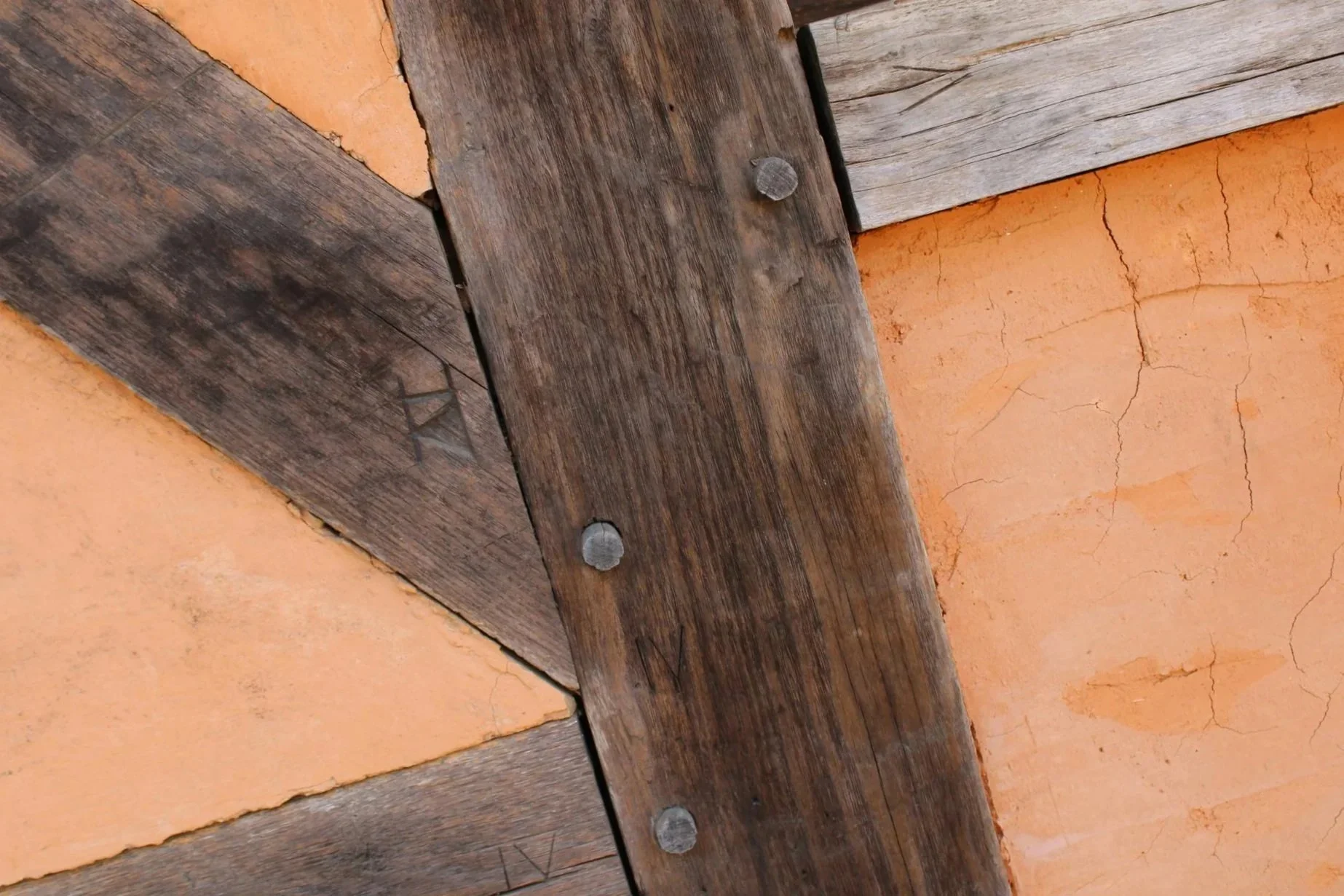
The Timber Frame Society (TFS) is a group of women and men who are inspired by History and feel an obligation to understand, research and document historic artifacts before they are lost through the simple passage of time. Words can endure; physical artifacts seldom do. Our association is named after a type of construction that uses joinery, such as tenon, mortise and scarf joints, which formed from the very timbers themselves, to join large beams – timbers – together. No modern fastenings required; no need for metal backup plates or nuts and bolts, or even screws and nails.Instead, our ancestors used the structural material itself, often TIMBERS of white pine, to form structural joints with interlocking scarf joints, as well as the fore mentioned tenon and mortise joint. The nails, screws and bolts used today were then trunnels or tree nails, bolts would have been wooden wedge secured drift pins. For the small stuff it was simply pegs.Many of the old barns found in rural northern Michigan are, at least in part, of Timber Frame construction. And if you look closely, so are many other things. The absence of modern fastenings, the employment of interlocking construction and locally sourced materials are the hallmarks of Timber Frame structures, known as Moku-zo in Japan and Fachwerkhaus in Germany. Additionally, there are the historic watercraft of the Great Lakes, which are often not seen as being of timber frame construction but in fact are a complex and impressive example of such.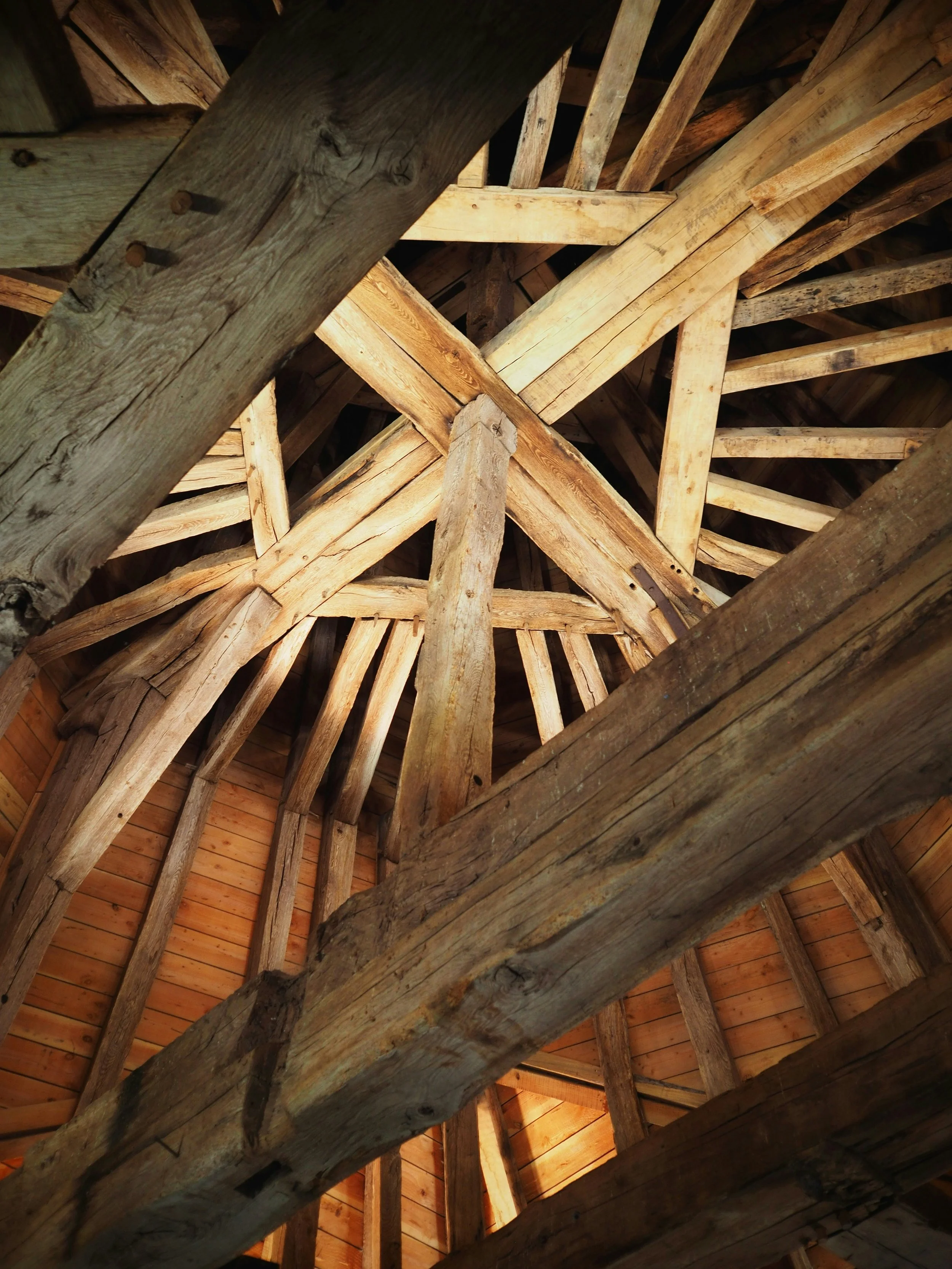
Photograph by Paul Lesur
TFS finds these essential characteristics of timber frame in old barns and wooden ships; finely crafted furniture assembled without metal fasteners and the Native American Teepee or Wikiup. TFS mission is simple, to be aware of and even seek out those objects made by the hands of the women and men who stood where we stand now, and to recognize them for what they are, artifacts of the past. Protect and record.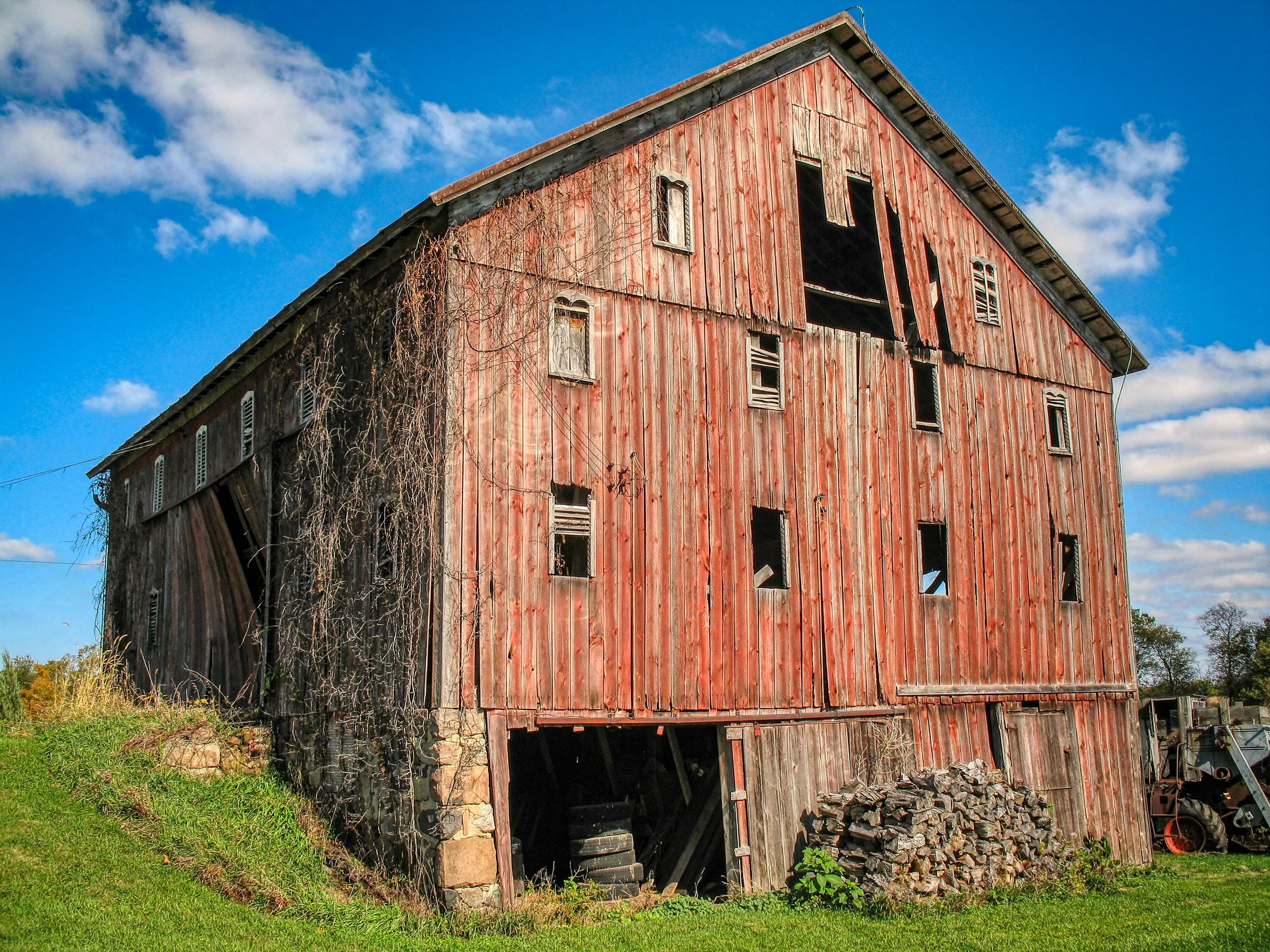
Photograph by Mick Haupt
Our mission is simple: To see and recognize the historical significance of all things built of wood by the hands of the women and men who preceded us. Be it a simple object, such as a treasured piece of furniture, an old timber and frame barn or or the most complex of structures, the wreck of and ancient wooden sailing ship.
Our duty to all those who came before us is to seek, to document, protect and preserve their artifacts, recording whenever it is possible. It is after all, the people’s hands, that created each piece of treasured furniture, or the timber framed barn and sailing vessel in the first place.